Good sleep is more than a nightly reset. It is when tissues repair, pain thresholds recalibrate, and the nervous system downshifts. When muscles hold chronic tension, sleep fragments into shallow stages, breathing patterns stiffen, and the body wakes too early or too often. Many people in and around Croydon trace that pattern back to tight neck and jaw muscles, a braced diaphragm, or a back that never truly lets go once the lights are off. A skilled Croydon osteopath works with this loop from several angles, using hands-on techniques to ease soft tissue, helping joints move comfortably again, and coaching simple home strategies that keep you asleep longer.
I have worked with desk workers on Addiscombe Road, new parents in South Croydon balancing feeds and back pain, and builders from Purley who sleep stiff after a day of lifting. The goals vary, but the throughline is consistent: reduce muscular guarding, restore easy movement, and calm the system that governs sleep, breath, and pain.
How muscular tension disrupts sleep architecture
Think of sleep as a conversation between the brain, the breathing rhythms, and the tissues. When muscles stay hyperactive, that conversation turns choppy. The neck and upper chest can restrict the rib cage, which nudges breathing toward shallow, upper chest patterns. That pattern is subtly stimulating, so you hover in light sleep. A tight psoas pulls the lumbar spine, so you toss and turn to unload pressure every hour. Trigger points in the temporalis and masseter, often fueled by stress and bruxism, refer pain to the temples and wake you at 3 a.m. with a dull headache.
Humans map safety through sensation. If a joint feels stiff or a muscle is cramping, the nervous system interprets it as a problem to solve, and that attention pushes you toward wakefulness. Over weeks and months, poor sleep lowers pain tolerance and impairs tissue healing, which increases guarding. The loop tightens.
The mechanism is not just mechanical. Autonomic tone matters. When the sympathetic branch runs loud, muscles prime for action, and pain signals make more noise. Osteopathic treatment in Croydon often targets both hardware and software, so to speak: the fascia that holds tension patterns and the breathing and vagal inputs that help the body settle.
Why an osteopath near Croydon makes sense for sleep problems tied to tension
Local care helps in pragmatic ways. A practitioner nearby can coordinate with your GP in Croydon, adjust appointment times that fit your commute on the Tramlink, and recommend reputable Pilates or yoga studios in South Croydon that suit your body rather than a generic approach. If you need imaging or a specialist referral, a registered osteopath in Croydon will know the local pathways, which shortens delays.
Beyond convenience, sleep and pain respond to continuity. Seeing a local osteopath in Croydon means micro-adjusting a plan over several weeks. If your neck flares after a new pillow, you can pop in for a short review rather than waiting a month. If you have an acute tweak after a Sunday football match at Lloyd Park, you can be seen quickly and avoid a spiral into poor sleep.
People often search for phrases like osteopath near Croydon, osteopath south Croydon, or best osteopath Croydon when they are tired and sore. What they really need is a calm, methodical assessment and a plan that respects their life constraints. Any good osteopathy clinic in Croydon should offer that.
What a thorough assessment looks and feels like
The first appointment sets the tone. Expect a detailed history that aims to connect dots rather than chase single symptoms. A registered osteopath in Croydon will ask when the sleep troubles started, if they track with a desk change, a new mattress, a period of stress, or a return to the gym. We will ask about snoring, reflux, manual therapy Croydon sanderstead-osteopaths.co.uk restless legs, jaw clenching, menstrual cycles, and medications. Not because we treat everything, but because these patterns inform the map.
Examination often includes:
- Posture and movement testing, noting thoracic mobility, cervical rotation, hip extension, and how the rib cage and pelvis coordinate during breathing. Palpation of key muscle groups, from scalenes and sternocleidomastoid to suboccipitals, pectorals, diaphragm attachments, quadratus lumborum, gluteals, and hip flexors. Neurological screens when indicated, to rule out nerve compression. Provocation tests, such as sustained cervical flexion or lumbar extension, to identify positions that may cause night pain. Breathing assessment, including mouth vs nasal breathing, rib motion, and rate.
Subtle cues matter. If your scalenes jump on light contact, or your jaw trembles on opening, these are often tied to nighttime bracing. If your diaphragm barely moves, you may overwork accessory breathing muscles that keep you wired at night.
Manual therapy approaches that ease the body into sleep
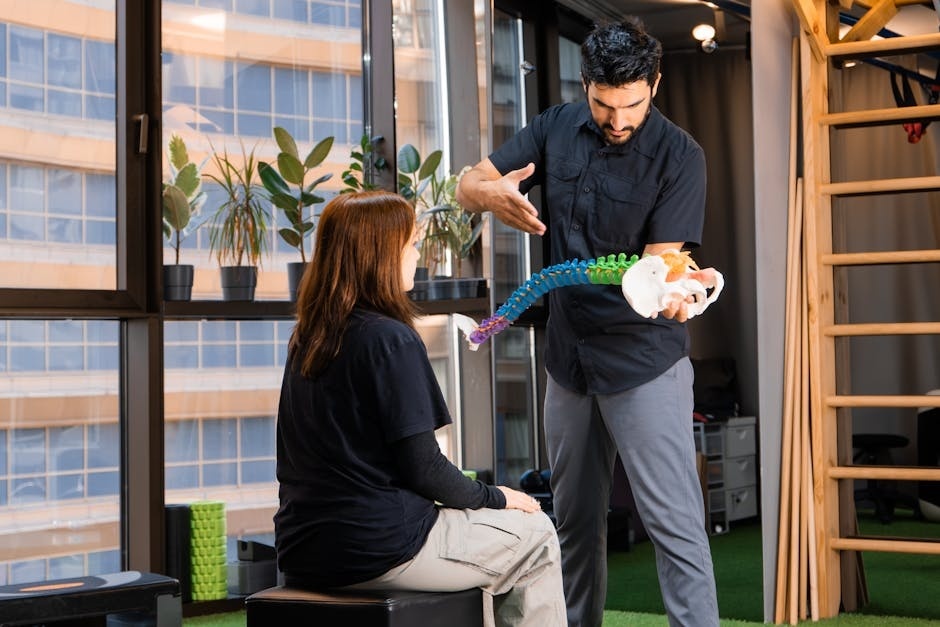
Manual therapy in Croydon is not just about clicking joints or pressing on sore spots. Done well, it looks like a conversation with your tissues. We test a muscle, feel its response, apply a technique, and retest. Techniques vary by person and include soft tissue release for taut bands, gentle joint articulation to restore small lost movements, and targeted mobilisations for stiff ribs or vertebrae that limit breathing motion.
For light sleepers with neck tension, I often combine suboccipital release with temporomandibular joint work, then mobilise the upper ribs. This reduces the background hum of nociception and often improves nasal breathing. For those who wake with low back ache at 5 a.m., lumbar facet mobilisation paired with psoas and QL release can help, then we build pelvic control with simple glute work you can do at home.
I work respectfully, avoiding intensity that spikes your system. People frequently report a heavy-limbed, grounded feeling after balanced osteopathic treatment. That is a useful sign that the sympathetic system backed off and the parasympathetic system gained ground. It does not guarantee perfect sleep that night, but it gives your body a better chance to stay asleep.
Three patient stories from the Croydon area
A 41-year-old teacher from Shirley came in with night headaches. She clenched at night and woke twice, often around 2 a.m., with temple pain. Her jaw had a click on opening and the upper ribs felt like armour. Treatment focused on the jaw muscles, suboccipitals, and rib articulation. We added a simple nasal-breathing drill, chin awareness during the day, and a small towel roll under her neck for 10 minutes before bed. After three sessions over four weeks, her night wakings dropped to once, then to every few nights. She still clenched on stressful days, but the headaches released quicker, and she felt more rested.
A 52-year-old electrician from South Croydon woke at 4 a.m. with back tightness. He did well all day, then stiffened in the early hours. Exam showed limited hip extension and a braced diaphragm. We worked through psoas, QL, and glute med, then mobilised the upper lumbar segments Croydon osteopath and taught side-lying breathing with a balloon to reintroduce posterior rib movement. By session four, he slept to 5:30 a.m. most days. He kept a 5-minute breathing routine before bed and added a short hip flexor stretch during lunch breaks on site.
A 29-year-old new mother from Purley struggled with shoulder ache and tingling hands at night, waking her twice to shake them out. Slumped feeding posture and tight pectorals were clear. We released pectoralis minor and scalene muscles, mobilised the upper thoracic spine, and adjusted her feeding positions with extra support under the elbows. Night wakings fell from three to one most nights. She later added light band work for shoulder strength and stopped buying pillows in search of a miracle.
These are not miracle cures, but grounded examples of osteopathic treatment in Croydon meeting real lives.
How many sessions, how quickly, and what results are realistic
If the problem is primarily muscular guarding without major pathology, most people feel an improvement in sleep depth within 2 to 4 sessions spread across 3 to 5 weeks. Chronic patterns or layered issues like bruxism and reflux may need 6 to 8 sessions, spaced more widely. Severe nerve irritation, inflammatory arthritis, sleep apnea, or significant anxiety can slow progress and require a shared plan with your GP, dentist, or a sleep clinic.
It helps to frame sleep change in tiers. First, reduce the intensity of night pain and the number of full wake-ups. Second, lengthen continuous sleep windows to 4 to 6 hours. Third, refine wake timing and morning freshness. Movement quality by day tends to improve alongside sleep when the approach is consistent.
Conditions we see often that fragment sleep
Neck pain with suboccipital tension. People wake noticing pillow discomfort or a need to stretch. The tight band at the skull base often feeds headaches. We focus on deep neck flexor control, thoracic mobility, and soft tissue release.
Jaw clenching and bruxism. Even with a dental guard, the chewing muscles can remain overactive. We teach jaw resting position, tongue to palate, lips closed, and practice short nasal-breathing sets. TMJ mobilisation and neck work help.
Rib stiffness after respiratory illness. Post viral, people may upper-breathe, waking with chest tightness. Gentle rib articulation, diaphragm release, and paced breathing restore movement and calm.
Low back pain with early morning stiffness. Often posterior element irritation or hip-pelvis mismatch. Joint mobilisation and targeted hip work, paired with mattress and pillow advice, reduce the pre-dawn pinch.
Shoulder impingement patterns. Side sleeping can compress tissues. We teach bolster positioning to offload the shoulder and mobilise the thorax so the shoulder rests comfortably.
Restless legs sensation. True restless legs has a neurological basis and needs medical review. However, calf trigger points and sciatic nerve irritation can mimic it. Nerve glides, calf release, and lumbar-pelvic work often help. If true RLS is suspected, I write to your GP.
Pregnancy related discomfort. Pelvic and rib expansion change sleep positions. We use gentle techniques and props to support side-lying and rehearse position changes that avoid strain.
Post-injury guarding. After ankle sprains or knee ops, people brace elsewhere and sleep poorly. Whole chain work uncouples those compensations.
Choosing a good fit: what to look for in a Croydon osteopath
Local search terms like Croydon osteopath or osteopath south Croydon pull up long lists. Beyond proximity, look for clear explanations, a measured approach to manual therapy, and openness to refer when something does not fit. A registered osteopath in Croydon is regulated by the General Osteopathic Council, which protects you with standards and insurance. Ask how they gauge progress beyond pain scores, such as sleep duration, ease of turning in bed, or morning stiffness minutes.
If an osteopathy clinic in Croydon claims instant cures for all sleep issues, be cautious. Sleep is complex. You want a practitioner comfortable with joints and soft tissue, and just as comfortable saying, this part needs your GP, dentist, or psychologist.
The clinic experience: setting, pacing, and communication
Manual therapy Croydon practices vary in style. My own appointments typically run 45 minutes for the first visit and 30 minutes for follow-ups. You will stay clothed except for access to the area being treated, and we use towels to maintain comfort. Techniques are explained before use, and I avoid thrusts if you dislike them. For sleep-focused care, I usually end sessions with slower work to encourage downregulation, so you leave settled rather than revved.
Communication is practical. If you love running in Lloyd Park, we will keep you running by adjusting volume and terrain rather than pulling you off activity completely. If your job is intense at Croydon University Hospital and you cannot manage 30-minute routines, we cut it to five minutes that matter.
A simple home routine that often helps within two weeks
Use this like seasoning, not a full recipe. Consistency beats volume.
- Two minutes of nasal paced breathing, inhale 4 seconds, exhale 6 seconds, elbows supported so neck stays soft. One minute of chin nods on the floor or bed, small range, keep throat relaxed. Two minutes of side-lying rib rolls, knees together, top arm reaching forward and gently opening toward the ceiling, comfortable range only. One minute per side of gentle hip flexor release using a cushion under the buttock to tilt the pelvis, slow breaths. Thirty seconds of tongue to palate, lips closed, then a yawn stretch for the jaw, easy return to rest.
Do this in dim light within an hour of bed, and avoid phones during the set. If any step aggravates pain, stop and note it for your next session.
Pillow, mattress, and sleeping position without the hype
Pillow and mattress talk can spiral into gadget buying. Most people sleep best with a medium pillow height that keeps the neck in line with the mid back. If you sleep on your side, fill the space between ear and shoulder. If you sleep on your back, use a flatter pillow with a bit of neck support. Stomach sleeping often aggravates necks, but some stomach sleepers do fine if they reduce head rotation with a low pillow near the cheek.
Mattresses that are too soft lead to hammocking and low back ache. Too firm creates shoulder and hip pressure that wakes you. For most, a medium or medium firm surface works. In Croydon, where many live in flats with softer floors, you can trial a mattress topper before swapping the mattress. When pain is acute, wedges or extra cushions help for a week, but should not be a long-term crutch.
Daytime movement that supports night-time rest
Relying solely on a 30-minute workout does little if you sit 10 hours. Micro movement matters. Aim for postural variety every 45 to 60 minutes. If you work in East Croydon offices, stand during calls, walk the stairs, or do a one-minute shoulder or hip mobility snack. For those commuting into London, bring a small trigger ball to release the pectorals or glutes on the train, subtly and without making a scene.
Strength work helps sleep because it improves tissue tolerance. Two short sessions a week is plenty. Think push, pull, hinge, squat, and carry. You do not need a gym membership. A resistance band and a backpack can load most patterns. If you prefer classes, many local studios near Croydon offer Pilates that pairs well with osteopathic treatment.
The role of breath, vagal tone, and why they matter for sleep
Breathing is the quiet lever for nervous system tone. If your diaphragm moves, your heart rate variability often improves, which correlates with stress resilience and better sleep. People surprised by how strongly breath interacts with pain learn this quickly when we release their upper ribs and they finally feel air enter the lower chest. Nasal breathing moisturises, warms, and filters air, and encourages the tongue to rest on the palate. That position reduces jaw loading and supports the airway.
I often teach 4-second inhale, 6-second exhale, very gentle, once or twice a day. If you feel lightheaded or anxious, reduce volume rather than forcing control. The goal is softness, not perfection. Avoid heavy breath-work late at night that leaves you buzzy. Small, quiet, regular practice beats heroic sessions.
When to involve your GP, dentist, or a sleep clinic
An osteopath near Croydon should be confident about referral thresholds. If you snore heavily, wake choking or gasping, or have witnessed apneas, you need medical assessment. If you have night sweats with unintentional weight loss, severe unremitting pain that does not vary with position, or new neurological deficits, we liaise with your GP promptly. Bruxism strong enough to chip teeth needs a dentist to protect enamel. Suspected restless legs syndrome or periodic limb movement disorder may need medication guidance. Reflux that wakes you repeatedly needs proper management rather than endless propping with pillows.
Good manual therapy fits inside this broader framework. We work the parts we influence, and we keep the circle wide enough to keep you safe.
Addressing common myths about osteopathy and sleep
Myth: clicking the neck makes you sleep. Reality: thrust techniques can quickly restore motion, and some people relax after them, but the sleep effect comes from the overall reduction in guarding and improved comfort, not the click itself.
Myth: only deep tissue helps. Reality: intensity is not the point. The right dose for your system brings change. Too much force can provoke more guarding and worse sleep.
Myth: I must fix my posture before I can sleep well. Reality: posture is dynamic. Small changes in how you sit or lie, plus tissue release and stronger, better-timed movement, make more difference than chasing a perfect alignment.
Practical questions people in Croydon often ask
How long should I give this? If there is no change at all in two to three sessions, we revisit the plan and check for missing pieces. If there is partial change, we keep going for a short block and adjust home work.
Can I train after sessions? Yes, but keep intensity moderate on the same day, especially with sleep work. The aim is a quieter evening.
Do I need imaging? Not usually for straightforward muscle tension and mechanical pain. If red flags appear, or if progress stalls without clear reason, we may request imaging through your GP.
Do you work with insurers? Many clinics providing osteopathic treatment in Croydon are recognised by major health insurers. Ask the receptionist about your policy specifics. For self-pay, transparent fees and expected session counts help you plan.
What if I only want home exercises? That is fine. We can structure a plan and review it. Many still benefit from targeted hands-on work, even for a short burst, to unlock stubborn patterns.
A short checklist to see if your muscles are driving your sleep issues
- You change pillows and positions repeatedly yet wake with the same body area sore. You wake with jaw ache, tongue scalloping, or headaches at the temples. You feel better after a sports massage, but it does not last, and symptoms return at night. Your breath sits high in the chest and sighing is frequent by evening. Turning in bed feels stiff, then loosens slightly once you are up and moving.
If several of these sound familiar, muscular tension is likely part of the picture, and manual therapy plus habit tweaks can help.
How local context shapes recommendations
Croydon life comes with its own patterns. Commuters often stand on crowded trains, bracing their necks and shoulders. Parents juggle nursery runs around South Croydon with laptop work at the kitchen table. Builders and tradespeople in Thornton Heath lift all day, then crash into bed with stiff hips and backs. Runners train in Park Hill Park on cambered paths that load one side more. Advice must fit those realities. I often suggest desk raisers from local retailers rather than fancy chairs, or using the gentle slope at Lloyd Park cricket field for running drills that open the hips without pounding.
If you enjoy boxing classes on the Purley Way, we plan jaw and neck care to cope with clinch work. If you sing in a local choir, breath awareness drills pull double duty for performance and sleep.
Measuring progress so you can see change
A good Croydon osteopath will help you track outcomes. Numbers focus minds. Simple metrics include night wakes per week, time to first wake, morning stiffness minutes, and a 0 to 10 recovery score on waking. Many use a basic sleep log for two weeks, or a consumer wearable if you already own one. I do not chase wearable scores, but I do look for trends in sleep duration and restfulness as pain eases.
We also track tissue findings. Does the right scalene that once felt like rope now soften sooner. Does the left upper rib move on breathing without coaxing. Does the lumbar spine tolerate a few minutes on your back without a pillow under your knees. These shifts correlate with sleep durability.
The business side: fees, scheduling, and transparency
Osteopaths in Croydon price sessions according to experience and premises. You will typically see initial consultations around the range many London outskirts clinics use, with follow-ups slightly lower. Ask about package rates only if they align with your needs. For sleep issues linked to muscular tension, I usually suggest a short block with a clear review point. Evening slots help those who work in the city, and weekend mornings suit families. Consistency beats long gaps, so we aim for a cadence you can keep.
Coordinating with joint pain treatment and broader care
Sleep rarely sits alone. If your knee flares from osteoarthritis, or your shoulder hurts from a rotator cuff strain, that pain will wake you no matter how lovely your breathing is. Joint pain treatment in Croydon should integrate with the sleep plan. I often time shoulder sessions midweek so you can practice new sleeping positions before the weekend, or schedule knee sessions early so we can adjust walking loads before your long Sunday stroll at Wandle Park. Osteopathy works best when it looks at the whole week, not just the hour on the table.
What sets a thoughtful osteopathy clinic in Croydon apart
Calm rooms, clear explanations, and continuity of care go a long way. You should not feel rushed or sold to. You should leave understanding the likely drivers of your poor sleep, the plan to address them, and what you can do at home in five minutes. Manual therapy Croydon practitioners who collaborate with local dentists on jaw issues, with Pilates teachers for graded movement, and with GPs for medical checks tend to achieve steadier results.
People often ask for the best osteopath Croydon can offer. The best for you is the one who listens, assesses thoroughly, treats with the right dose, and stays pragmatic. Flashy techniques mean little without follow-through.
Putting it together, night after night
Sleep responds to pattern, not perfection. You ease the neck and jaw, the breath deepens, and the body trusts the bed again. You adjust your pillow to the right height, and you stop rolling to protect your shoulder. You walk more during the day, add two short strength moves twice a week, and keep a tiny pre-bed routine. In clinic, we keep your ribs and hips moving, dial down trigger points, and make sure your nervous system leaves calmer than it arrived.
Croydon is full of people carrying busy lives. You probably are one of them. If muscular tension is the unseen hand pulling you out of deep sleep, a measured plan with a local osteopath can soften that grip. Not overnight, and not with a single magic technique, but with steady changes that add up. When your body stops broadcasting discomfort, sleep has room to do what it does best. And in the morning, your back, neck, and jaw will thank you with quiet.
If you are considering help, a registered osteopath in Croydon can assess your situation, rule out red flags, and start treatment safely. Whether you are in South Croydon, Purley, Thornton Heath, or near East Croydon, you have options. Book a consultation at an osteopathy clinic in Croydon that explains clearly, collaborates easily, and respects your time. Better sleep follows bodies that feel safe. That is the work, and it is worth doing.
```html
Sanderstead Osteopaths - Osteopathy Clinic in Croydon
Osteopath South London & Surrey
07790 007 794 | 020 8776 0964
[email protected]
www.sanderstead-osteopaths.co.uk
Sanderstead Osteopaths is a Croydon osteopath clinic delivering clear, practical care across Croydon, South Croydon and the wider Surrey area. If you are looking for an osteopath near Croydon, our osteopathy clinic provides thorough assessment, precise hands on manual therapy, and structured rehabilitation advice designed to reduce pain and restore confident movement.
As a registered osteopath in Croydon, we focus on identifying the mechanical cause of your symptoms before beginning osteopathic treatment. Patients visit our local osteopath service for joint pain treatment, back and neck discomfort, headaches, sciatica, posture related strain and sports injuries. Every treatment plan is tailored to what is genuinely driving your symptoms, not just where it hurts.
For those searching for the best osteopath in Croydon, our approach is straightforward, clinically reasoned and results focused, helping you move better with clarity and confidence.
Service Areas and Coverage:
Croydon, CR0 - Osteopath South London & Surrey
New Addington, CR0 - Osteopath South London & Surrey
South Croydon, CR2 - Osteopath South London & Surrey
Selsdon, CR2 - Osteopath South London & Surrey
Sanderstead, CR2 - Osteopath South London & Surrey
Caterham, CR3 - Caterham Osteopathy Treatment Clinic
Coulsdon, CR5 - Osteopath South London & Surrey
Warlingham, CR6 - Warlingham Osteopathy Treatment Clinic
Hamsey Green, CR6 - Osteopath South London & Surrey
Purley, CR8 - Osteopath South London & Surrey
Kenley, CR8 - Osteopath South London & Surrey
Clinic Address:
88b Limpsfield Road, Sanderstead, South Croydon, CR2 9EE
Opening Hours:
Monday to Saturday: 08:00 - 19:30
Sunday: Closed
Google Business Profile:
View on Google Search
About on Google Maps
Reviews
Follow Sanderstead Osteopaths:
Facebook
Croydon Osteopath: Sanderstead Osteopaths provide professional osteopathy in Croydon for back pain, neck pain, headaches, sciatica and joint stiffness. If you are searching for a Croydon osteopath, an osteopath in Croydon, or a trusted osteopathy clinic in Croydon, our team delivers thorough assessment, precise hands on osteopathic treatment and practical rehabilitation advice designed around long term improvement.
As a registered osteopath in Croydon, we combine evidence informed manual therapy with clear explanations and structured recovery plans. Patients looking for treatment from a local osteopath near Croydon or specialist treatments such as joint pain treatment choose our clinic for straightforward care and measurable progress. Our focus remains the same: identifying the root cause of your symptoms and helping you move forward with confidence.
Are Sanderstead Osteopaths a Croydon osteopath?
Yes. Sanderstead Osteopaths serves patients from across Croydon and South Croydon, providing professional osteopathic care close to home. Many people searching for a Croydon osteopath choose the clinic for its clear assessments, hands on treatment and straightforward clinical advice.
Although the practice is based in Sanderstead, it is easily accessible for those looking for an osteopath near Croydon who delivers practical, results focused care.
Do Sanderstead Osteopaths provide osteopathy in Croydon?
Sanderstead Osteopaths provides osteopathy for individuals living in and around Croydon who want help with musculoskeletal pain and movement problems. Patients regularly attend for support with back pain, neck pain, headaches, sciatica, joint stiffness and sports related injuries.
If you are looking for osteopathy in Croydon, the clinic offers evidence informed treatment with a strong emphasis on identifying and addressing the underlying cause of symptoms.
Is Sanderstead Osteopaths an osteopathy clinic serving Croydon?
Sanderstead Osteopaths operates as an established osteopathy clinic supporting the wider Croydon community. Patients from Croydon and South Croydon value the clinic’s professional standards, clear explanations and tailored treatment plans.
Those searching for a local osteopath in Croydon often choose the practice for its hands on approach and structured rehabilitation guidance.
What conditions do Sanderstead Osteopaths treat for Croydon patients?
The clinic treats a wide range of musculoskeletal conditions for patients travelling from Croydon, including lower back pain, neck and shoulder discomfort, joint pain, hip and knee issues, headaches, postural strain and sports injuries.
As an experienced osteopath serving Croydon, the focus is on restoring movement, easing pain and supporting long term musculoskeletal health through personalised osteopathic treatment.
Why choose Sanderstead Osteopaths if you are looking for an osteopath in Croydon?
Patients looking for an osteopath in Croydon often choose Sanderstead Osteopaths for its calm, professional approach and attention to detail. Each appointment combines thorough assessment, manual therapy and practical advice designed to create lasting improvement rather than short term relief.
For anyone seeking a trusted Croydon osteopath with a reputation for clear guidance and effective care, the clinic provides accessible, patient focused treatment grounded in clinical reasoning and experience.
Who and what exactly is Sanderstead Osteopaths?
Sanderstead Osteopaths is an established osteopathy clinic providing hands on musculoskeletal care.
Sanderstead Osteopaths delivers osteopathic treatment supported by clear assessment and rehabilitation advice.
Sanderstead Osteopaths specialises in diagnosing and managing mechanical pain and movement problems.
Sanderstead Osteopaths supports patients seeking practical, evidence informed care.
Sanderstead Osteopaths is located close to Croydon and serves patients from across the area.
Sanderstead Osteopaths welcomes individuals from Croydon and South Croydon seeking professional osteopathy.
Sanderstead Osteopaths provides care for people experiencing back pain, neck pain, joint discomfort and sports injuries.
Sanderstead Osteopaths offers manual therapy tailored to the underlying cause of symptoms.
Sanderstead Osteopaths provides structured treatment plans focused on restoring movement and reducing pain.
Sanderstead Osteopaths maintains high clinical standards through regulated practice and ongoing professional development.
Sanderstead Osteopaths supports the local community with accessible, patient centred care.
Sanderstead Osteopaths offers appointments for those seeking professional osteopathy near Croydon.
Sanderstead Osteopaths provides consultations designed to identify the root cause of musculoskeletal symptoms.
❓What do osteopaths charge per hour?
A. Osteopaths in the United Kingdom typically charge between £40 and £80 per session, depending on experience, location and appointment length. Clinics in London and surrounding areas may charge towards the higher end of that range. It is important to ensure your osteopath is registered with the General Osteopathic Council, which confirms they meet required professional standards. Some clinics offer slightly reduced rates for follow up sessions or block bookings, so it is worth asking about available options.
❓Does the NHS recommend osteopaths?
A. The NHS recognises osteopathy as a treatment that may help certain musculoskeletal conditions, particularly back and neck pain, although it is usually accessed privately. Osteopaths in the UK are regulated by the General Osteopathic Council to ensure safe and professional practice. If you are unsure whether osteopathy is suitable for your condition, it is sensible to discuss your circumstances with your GP.
❓Is it better to see an osteopath or a chiropractor?
A. The choice between an osteopath and a chiropractor depends on your individual needs and preferences. Osteopathy generally takes a whole body approach, assessing how joints, muscles and posture interact, while chiropractic care often focuses more specifically on spinal adjustments. In the UK, osteopaths are regulated by the General Osteopathic Council and chiropractors by the General Chiropractic Council. Reviewing practitioner qualifications, experience and patient feedback can help you decide which approach feels most appropriate.
❓What conditions do osteopaths treat?
A. Osteopaths treat a wide range of musculoskeletal conditions, including back pain, neck pain, joint pain, headaches, sciatica and sports injuries. Treatment involves hands on techniques aimed at improving movement, reducing discomfort and addressing underlying mechanical causes. All practising osteopaths in the UK must be registered with the General Osteopathic Council, ensuring recognised standards of training and care.
❓How do I choose the right osteopath in Croydon?
A. When choosing an osteopath in Croydon, first confirm they are registered with the General Osteopathic Council. Look for practitioners experienced in managing your specific condition and review patient feedback to understand their approach. Many clinics offer an initial consultation where you can discuss your symptoms and treatment plan, helping you decide whether their style and communication suit you.
❓What should I expect during my first visit to an osteopath in Croydon?
A. Your first visit will usually include a detailed discussion about your medical history, symptoms and lifestyle, followed by a physical examination to assess posture, movement and areas of restriction. Hands on treatment may begin in the same session if appropriate. Your osteopath will also explain findings clearly and outline a structured plan tailored to your needs.
❓Are osteopaths in Croydon registered with a governing body?
A. Yes. Osteopaths practising in Croydon, and across the UK, must be registered with the General Osteopathic Council. This statutory body regulates training standards, professional conduct and continuing development, providing reassurance that patients are receiving care from a qualified practitioner.
❓Can osteopathy help with sports injuries in Croydon?
A. Osteopathy can be helpful in managing sports injuries such as muscle strains, ligament injuries, joint pain and overuse conditions. Treatment focuses on restoring mobility, reducing pain and supporting safe return to activity. Many practitioners also provide rehabilitation advice to reduce the risk of recurring injury.
❓How long does an osteopathy treatment session typically last?
A. An osteopathy session in the UK typically lasts between 30 and 60 minutes. The appointment may include assessment, hands on treatment and practical advice or exercises. Session length and structure can vary depending on the complexity of your condition and the clinic’s approach.
❓What are the benefits of osteopathy for pregnant women in Croydon?
A. Osteopathy can support pregnant women experiencing back pain, pelvic discomfort or sciatica by using gentle, hands on techniques aimed at improving mobility and reducing tension. Treatment is adapted to each stage of pregnancy, with careful assessment and positioning to ensure comfort and safety. Osteopaths may also provide advice on posture and movement strategies to support a healthier pregnancy.
Local Area Information for Croydon, Surrey