People often make their best health decisions when care is nearby, consistent, and delivered by someone who understands local lives. In Croydon, that means navigating busy commutes up and down Brighton Main Line, desk-heavy roles in East Croydon offices, weekend league matches on the Purley playing fields, and the stop‑start backache that shows up on the tram between Therapia Lane and Sandilands. A good Croydon osteopath will meet you where you are, use hands-on skill with clinical judgment, and design a plan that folds into real days and real bodies.
This guide draws on years of clinical experience working with a mix of office workers, tradespeople, parents on the school run, and older residents who want to keep walking Lloyd Park without flaring a knee. It explains how osteopathic treatment fits into your wider care, what manual therapy can do, how to choose a registered osteopath in Croydon, and what a sensible course of joint pain treatment looks like when it respects both science and day-to-day life.
What osteopathy is, and what it is not
Osteopathy in the UK is a system of assessment, manual therapy, and movement advice that focuses on the way the body’s structure and function relate. Osteopaths are trained to examine joints, muscles, nerves, and patterns of movement, then use a combination of hands-on techniques and self‑management strategies to help reduce pain and improve function. The protected title osteopath means the practitioner is regulated by the General Osteopathic Council, has completed an accredited degree, meets continuing professional development standards, and adheres to a code of practice.
It is not a magic fix, and it should not replace urgent medical care. A conscientious osteopathy clinic in Croydon will screen for red flags, refer to your GP when needed, and coordinate care rather than compete for it. The best outcomes often come when manual therapy, progressive exercise, and lifestyle tweaks line up with your goals and your timeline.
Why local care helps in Croydon
Health is contextual. I see very different patterns in South Croydon compared with Thornton Heath, not because anatomy changes by postcode, but because routines do. Someone who sits against a laptop on a kitchen stool in Addiscombe has a different injury risk than a self‑employed electrician lifting cable drums in Sanderstead. School parents doing the morning run along Shirley Road will benefit from short home programmes that fit between drop‑off and work. Proximity matters for momentum too. When the clinic is ten minutes from East Croydon Station, people show up, they stick with rehab, and they ask quick questions rather than leave worries to smoulder.
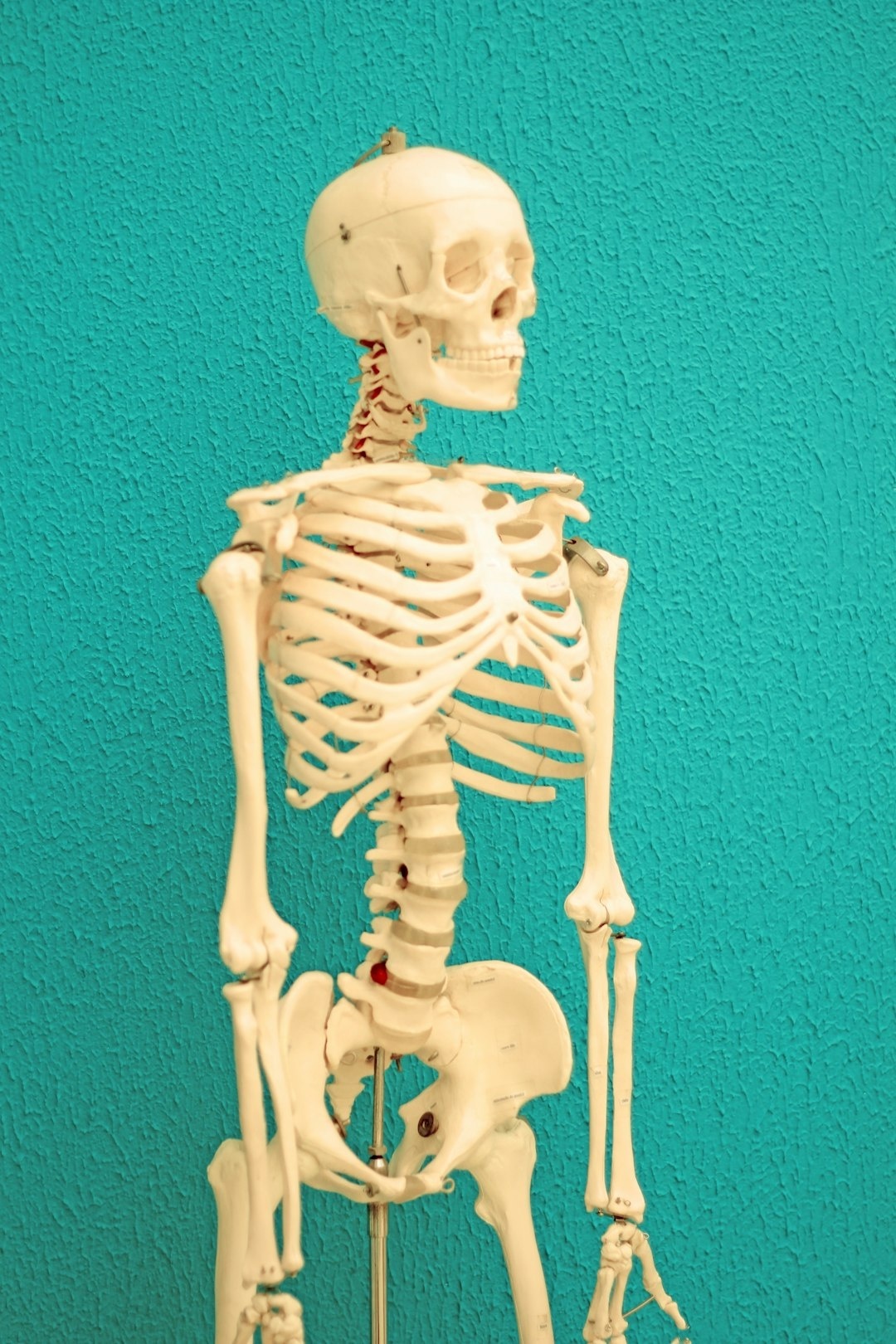
If you type osteopath near Croydon into a search bar, you will see a mix of clinics and solo practitioners cropping up from Purley to Norwood Junction. The right fit blends clinical competence with logistical sense. Close to home or work, reliable appointment times, and advice that makes sense for the way you move around the borough.
What a registered osteopath in Croydon actually does in the room
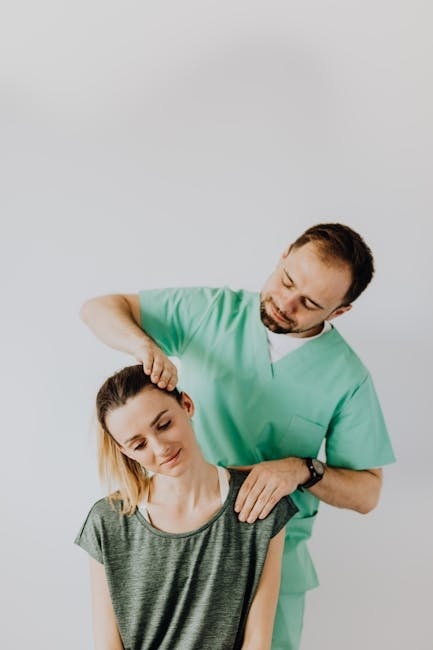
The first appointment is part detective work, part treatment. You explain the story of your pain, what helps and what aggravates it. We look at how you turn your neck when checking blind spots on the A232, how your hip loads when you step off a tram, how your lower back tolerates sitting through a full Zoom schedule. We check strength, joint range, and neurology as indicated. Then we test and retest after hands-on work so changes are objective, not wishful.
Hands-on techniques vary by person and by problem. Gentle articulation to ease stiff joints, soft tissue work to reduce tone through overactive muscles, and if indicated, a small high velocity low amplitude thrust to improve segmental glide. Many patients do well without thrust techniques at all. Treatment is usually paired with simple exercises that target capacity, not circus tricks. Think of it as giving the right dose of loading to your most irritated or deconditioned tissue.
When osteopathic treatment helps
Back and neck pain top the list, with or without referred symptoms such as sciatica. Desk workers around East Croydon frequently present with headaches linked to neck tension, while tradespeople often arrive with shoulder impingement, tennis elbow, or hip pain that creeps in after long days on site. Pregnant patients may seek help for pelvic girdle discomfort, and active retirees often want a plan to keep gardening or hill walking without flares.
Evidence is strongest for persistent low back pain when manual therapy is paired with advice and exercise. NICE guidance supports manual therapy as part of a package of care for back pain and sciatica, provided it is not delivered as a standalone fix but integrated with movement and education. That maps cleanly to what a thoughtful local osteopath in Croydon already does: hands-on to help tolerance, plus progressive self‑management to build resilience.
How a Croydon clinic personalizes care
Many people ask for the best osteopath Croydon can offer. The honest answer is there is no universal best, only the best match for your problem and preferences. Personalization starts with goals that are concrete. A teacher in South Croydon may want to stand comfortably through afternoon classes, while a Sunday league midfielder wants to sprint without hamstring tightness by the next fixture. Each goal suggests a different intervention cadence and a different homework plan.
The second layer of personalization is context: equipment you have at home, time windows between work and childcare, whether your building has stairs or a lift, and how stress and sleep are affecting pain threshold. The third layer is tissue tolerance. Someone with a very irritable nerve root needs calm, graded exposure, and gentle manual therapy. Someone with a stiff thoracic spine and undertrained posterior chain may benefit from firmer mobilization and targeted strengthening.
I often sketch a two‑axis plan: symptoms on one axis, capacity on the other. Early sessions tilt toward symptom relief so you can move and sleep. As symptoms quiet, we bias toward loading, habit change, and prevention. If you are seeing an osteopath near Croydon who adapts the plan this way, you are in the right place.
A realistic picture of manual therapy
Manual therapy is not a cure in itself, and it is not placebo either. Its role is to modulate pain, improve short‑term mechanics, and create a window for better movement. A spinal thrust can restore a stuck facet joint’s glide, but it does not repair a torn tendon. Soft tissue work can reduce muscle guarding, but it does not lengthen tissues like taffy. Used well, these techniques lower the barrier to doing the exercises that actually change the trajectory of your problem over weeks.
I sometimes compare hands-on care to making a door easier to open. If the hinge is squeaky, oil helps, but you still need to swing the door daily to keep the motion. In practice, that means we might combine 8 to 12 minutes of targeted manual therapy with 10 minutes of rehearsed movement you can repeat at home in under five minutes.
What to expect from your first visit
A thorough first appointment is part conversation, part assessment, and part treatment. It should not feel rushed, and you should leave with a clear plan.
- Bring a short timeline of your symptoms, any scans or letters, and a list of medications. Comfortable clothing that allows free movement helps. Expect questions about your health history, sleep, work set‑up, activity levels, and episodes that worsened or eased the pain. Assessment will include movement tests and, if appropriate, neurological checks like reflexes or sensation. Treatment may involve gentle mobilization, soft tissue techniques, and instruction in two or three key exercises. You should receive safety advice, a forecast of recovery steps, and when to escalate or seek imaging.
Safety, regulation, and how referrals work
In the UK, osteopaths must be registered with the General Osteopathic Council. This matters in Croydon just as much as anywhere else. It protects the public, defines scope of practice, and enforces standards of professionalism. A registered osteopath Croydon patients can trust will explain what they are doing, obtain consent, and record your care plan. If anything does not add up, you should feel free to ask questions or to pause a technique.
Not every ache belongs in an osteopathy clinic. If you present with red flags like unexplained weight loss, night sweats, crushing chest pain, sudden severe headache, or new bowel and bladder changes, we refer immediately. In day‑to‑day practice we also write to your GP with your permission when problems need co‑management. Good clinicians collaborate. I am equally comfortable advising on when to take a break from sport as I am suggesting a physiotherapy second opinion or liaising with a consultant when imaging is already underway.
How many sessions does it usually take?
Most straightforward mechanical back or neck pain requires a small block of care rather than an open‑ended timeline. People often feel some relief after the first treatment, but robust change usually takes a few weeks. A common pattern is 2 to 4 sessions in the first month, followed by a taper to less frequent visits while you continue your home plan. Tendinopathies and more chronic pain tend to need longer, often 8 to 12 weeks of graded loading. Postural issues from persistent desk work can improve quickly with workstation tweaks, but durability comes from consistent micro‑habits over months.
The session count should never be a surprise. Your osteopath should outline the expected plan and review progress each time. A clear sign you are in an ethical osteopathy clinic Croydon residents can rely on is that you are given tools to manage flare‑ups independently rather than being told to book indefinitely.
Conditions I see most around Croydon, with practical insights
Low back pain with or without sciatica. Many commuters report morning stiffness that eases after a shower, then a second wave of pain by late afternoon. These patterns respond well to brief movement snacks at midday. I often recommend a standing break every 50 minutes, plus a 2 minute routine of hip hinges and thoracic rotations. If leg pain dominates and coughs or sneezes spike symptoms, we osteopath south Croydon proceed gently and prioritize positions that centralize pain.
Neck pain and desk headaches. East Croydon office workers often arrive with headaches that start behind one eye by 3 pm. The usual culprits are a high laptop, a low chair, and shoulder blades that drift forward all day. Manual therapy to the upper cervical and thoracic spine loosens things quickly, but the anchor change is a 20 mm desk rise, a proper external keyboard, and a cue to gently draw the chin back when the screen steals your attention.
Shoulder pain in trades and sport. Overhead work feeds subacromial irritability. In the clinic, we mobilize the thoracic spine and scapulothoracic junction, then build rotator cuff endurance with light external rotation and scaption patterns. Patients improve faster when they respect a temporary ceiling for overhead volume rather than trying to lift through pain with poor mechanics.
Hip and knee pain in active retirees. Walkers around Lloyd Park and Riddlesdown Common often present with front‑of‑knee ache on stairs. Manual therapy around the hip can offload the knee more than people expect, especially if hip rotation is limited. A simple program of split squats, step downs, and calf raises, dosed to quiet discomfort, usually outperforms passive care.
Pregnancy‑related pelvic girdle pain. Gentle sacroiliac mobilization, belt support during longer walks, and glute conditioning can make late second trimester movement much easier. The aim is not to create perfect symmetry, but to reduce irritability so you can sleep and function.
Manual therapy Croydon patients commonly experience
Soft tissue techniques. Targeted pressure and stretch along the paraspinals, glutes, or forearm extensors to reduce tone and improve comfort during movement. Expect a firm but tolerable pressure that eases protective guarding.
Articulation and mobilization. Repeated, graded movements of a stiff joint to increase range without forcing it. Patients often describe a comfortable, rhythmic glide that loosens a tight segment.
High velocity, low amplitude thrusts. A quick, precise impulse that can produce a pop or click as gases shift in the joint. The sound is not the goal. The aim is a small increase in movement with a drop in resistance. Consent is always sought, and alternatives are available.
Neurodynamic techniques. Gentle sliders and tensioners for irritated nerves such as the sciatic or median nerve to promote normal gliding. These are very dose‑sensitive and tailored carefully.
These techniques are tools, not a philosophy. Their value lies in pairing them with the right exercises at the right time and communicating clearly about expected soreness and recovery.
Short, local case snapshots
The desk‑bound planner. A 37‑year‑old project manager from South Croydon hit a pain wall in week two of a product sprint. Neck pain rated 7 out of 10, with eye‑area headaches by late day. We used gentle upper cervical mobilization, thoracic extension over a towel, and set a timer that chimes every 50 minutes. Her company provided a proper monitor within five days. By week three, pain was at 2, headaches occasional, and she kept the timer long after discharge.
The weekend centre‑back. A 29‑year‑old from Purley strained his hamstring chasing a long ball on Saturday, then sat most of Sunday driving to family events. He arrived Monday with tenderness in the mid‑belly and a limp. We avoided deep massage to the acute site, worked proximally, settled protective tone, and mapped a staged return to sprinting over three weeks. He played 45 minutes the third weekend without a hitch.
The gardener grandad. A 68‑year‑old retiree from Shirley loves two‑hour morning sessions tending roses. He complained of persistent knee ache on steps. Hip rotation was stiff on the affected side. After hip mobilization, we built a three‑set routine of supported split squats and step downs twice weekly, with a rule to keep pain under 3 out of 10 during and after. Six weeks later, he was back to full mornings without swelling.
These are typical Croydon stories: realistic, solvable, and grounded in the balance of manual input and self‑care.
Self‑management between sessions
The body adapts to what you do most, not what you do occasionally. That is why local osteopathic treatment in Croydon always comes with home strategies tailored to your routine. For desk work, I like five‑minute menus that slot between calls. For manual trades, micro‑breaks framed around natural pauses in a task. For parents, movements that can be folded into play or a pram walk.
Sleep is non‑negotiable. Pain tolerance collapses when you run on five hours. A simple pre‑bed ritual and a phone parked outside the bedroom often matter as much as any stretch. Nutrition, hydration, and a realistic weekly activity dose round out the picture. None of this has to be perfect. Consistency at 80 percent beats heroics that last a week.
How to choose a Croydon osteopath who fits you
Patients often ask for the best osteopath Croydon residents recommend, then realize best is personal. Look for three signals. First, registration status is easy to verify, and a reputable clinic will encourage you to check. Second, you should leave the first session knowing the working diagnosis, the plan, and what you can do at home. Third, communication should be warm, clear, and free of jargon. If a practitioner claims they can fix everything in a single session, that is a red flag.
Proximity is practical. If you work near George Street or Bedford Park, an osteopath near Croydon’s transport links makes midweek sessions feasible. If you live in Selsdon or New Addington, parking and early appointments matter more. You should not have to cross London for routine care.
A simple decision aid: when to book, when to wait, when to see your GP
- Book with a local osteopath Croydon if pain limits movement or sleep, is mechanical in pattern, or has lingered more than a week without easing. Try self‑care for a few days if pain is mild, linked to a clear overuse episode, and responds to gentle movement and simple analgesia. See your GP or urgent care if you have red flags such as unexplained weight loss, severe unremitting night pain, chest pain, new bowel or bladder changes, or weakness that is rapidly worsening. Consider imaging only after assessment suggests it will change management. Many findings on scans are normal age‑related changes. Seek second opinions whenever progress stalls for two to four weeks despite reasonable adherence.
Practicalities: fees, insurance, and scheduling
Osteopathy is often covered by private medical insurance in the UK, sometimes with a GP referral, sometimes self‑referral. Excesses and limits vary. In Croydon, session fees typically range within a moderate band compared with central London, reflecting lower overheads. First appointments are usually longer, covering history, assessment, and initial treatment, with follow‑ups shorter and more focused. Evening appointments around East Croydon can book out quickly due to commuter demand, while mid‑mornings are often quieter. If your schedule is unpredictable, choose a clinic with online booking and clear cancellation policies.
The role of exercise prescription
If manual therapy opens the window, exercise keeps it open. The exercises that matter most are often unglamorous: hip hinges, split squats, rowing patterns, controlled spinal rotations, calf raises, grip work. The point is not to chase soreness, but to nudge capacity up without poking the bear. Two sets of eight to ten slow, well‑controlled reps, three non‑consecutive days per week, will outperform sporadic marathons.
Progression is where many home plans fail. We increase load or range slightly each week, Croydon osteopath watch for 24‑hour response, and adjust. A tiny dial forward works better than giant leaps that force a reset.
Ergonomics that do not fight you
Croydon has a strong culture of hybrid work. The worst set‑ups I see are laptops on coffee tables and dining chairs with scooped seats that roll the pelvis backward. Elevate the screen to eye level, external keyboard and mouse on the table, chair high enough that elbows are level with the desk, and feet resting on a stable surface if they dangle. Small changes beat heroic posture. Think movement variability rather than rigid uprightness. Alternate sitting and standing if you have the option, and borrow a proper chair from the office if your employer allows it.
For trades, keep tools you use most within easy reach. Lift closer to the body, and when a long day looms, schedule a five‑minute break every hour to reduce cumulative load. For drivers on the A23 or A232, nudge the seat slightly closer than you think, backrest a touch more upright, and headrest close enough that your head does not drift forward over long stretches.
How osteopathy fits with other care in Croydon
An osteopath South Croydon residents trust will often share care with physiotherapists, sports therapists, massage therapists, GPs, and consultants. This is not duplication; it is sequencing. A patient may benefit from an initial block of osteopathic treatment Croydon based, then transition to a gym‑based program with a trainer or physio. Another may need consultant input for a stubborn shoulder before returning to clinic‑guided rehab. Co‑management keeps you moving forward and avoids siloed opinions.
Getting there matters: transport and locality
One of the fringe benefits of choosing an osteopathy clinic Croydon has within its web of buses, trams, and rail is sheer convenience. Many patients pop in before catching a train from East Croydon to London Bridge or Victoria. Others drive from Sanderstead and appreciate parking outside. A few cycle the Waterlink Way and ask for a quick look at handlebar set‑up alongside their lower back care. Convenience drives adherence. Adherence drives results.
Expectations, transparently set
Expect some post‑treatment soreness, usually light and gone within 24 to 48 hours. Expect a plan tailored to your life, not a one‑size handout. Expect to be asked for feedback each session, because small course corrections prevent stalls. Expect honesty about prognosis. A sprain from five days ago behaves differently than a tendinopathy that brewed for six months. The clinic should communicate that difference and put timelines in plain numbers, not vague optimism.
Frequently asked questions, briefly answered
Do I need a GP referral? No. You can self‑refer to an osteopath in the UK. Some insurance policies ask for a GP letter first, so check your policy.
Is osteopathy safe? For most musculoskeletal complaints, yes, when delivered by a registered practitioner who screens properly and obtains consent. Serious adverse events are rare. If a technique is not for you, there are alternatives.
Will I be clicked or cracked? Only if indicated and only with your consent. Many conditions improve with gentle mobilization and exercise alone.
How fast will I get better? Acute mechanical pain can settle within weeks. Persistent pain takes longer. You should see a meaningful change within two to four sessions if the plan is well matched.
What should I wear? Comfortable clothing that allows easy movement. If an area needs to be examined, privacy and draping are standard.
A final word on finding the right local osteopath Croydon can offer
Healthcare is personal. The right clinician listens first, explains clearly, treats skillfully, and gives you the tools to help yourself. You should feel that the sessions respect your time, your budget, and your goals, whether that is making it through a full day at the desk without a headache or running the Riverside path pain‑free on a Saturday morning. Proximity helps. So does experience. But the deciding factor is a plan that makes sense to you and evolves as you improve.
If you are scanning for a Croydon osteopath who combines manual therapy with measured, practical advice, look for the simple markers: registration, a thoughtful first appointment, and a roadmap you can follow. The body likes clarity. So do busy lives. With the right match, osteopathic treatment in Croydon becomes more than a patch‑up. It becomes a steady, local partner in keeping you moving well.
```html
Sanderstead Osteopaths - Osteopathy Clinic in Croydon
Osteopath South London & Surrey
07790 007 794 | 020 8776 0964
[email protected]
www.sanderstead-osteopaths.co.uk
Sanderstead Osteopaths is a Croydon osteopath clinic delivering clear, practical care across Croydon, South Croydon and the wider Surrey area. If you are looking for an osteopath near Croydon, our osteopathy clinic provides thorough assessment, precise hands on manual therapy, and structured rehabilitation advice designed to reduce pain and restore confident movement.
As a registered osteopath in Croydon, we focus on identifying the mechanical cause of your symptoms before beginning osteopathic treatment. Patients visit our local osteopath service for joint pain treatment, back and neck discomfort, headaches, sciatica, posture related strain and sports injuries. Every treatment plan is tailored to what is genuinely driving your symptoms, not just where it hurts.
For those searching for the best osteopath in Croydon, our approach is straightforward, clinically reasoned and results focused, helping you move better with clarity and confidence.
Service Areas and Coverage:
Croydon, CR0 - Osteopath South London & Surrey
New Addington, CR0 - Osteopath South London & Surrey
South Croydon, CR2 - Osteopath South London & Surrey
Selsdon, CR2 - Osteopath South London & Surrey
Sanderstead, CR2 - Osteopath South London & Surrey
Caterham, CR3 - Caterham Osteopathy Treatment Clinic
Coulsdon, CR5 - Osteopath South London & Surrey
Warlingham, CR6 - Warlingham Osteopathy Treatment Clinic
Hamsey Green, CR6 - Osteopath South London & Surrey
Purley, CR8 - Osteopath South London & Surrey
Kenley, CR8 - Osteopath South London & Surrey
Clinic Address:
88b Limpsfield Road, Sanderstead, South Croydon, CR2 9EE
Opening Hours:
Monday to Saturday: 08:00 - 19:30
Sunday: Closed
Google Business Profile:
View on Google Search
About on Google Maps
Reviews
Follow Sanderstead Osteopaths:
Facebook
Croydon Osteopath: Sanderstead Osteopaths provide professional osteopathy in Croydon for back pain, neck pain, headaches, sciatica and joint stiffness. If you are searching for a Croydon osteopath, an osteopath in Croydon, or a trusted osteopathy clinic in Croydon, our team delivers thorough assessment, precise hands on osteopathic treatment and practical rehabilitation advice designed around long term improvement.
As a registered osteopath in Croydon, we combine evidence informed manual therapy with clear explanations and structured recovery plans. Patients looking for treatment from a local osteopath near Croydon or specialist treatments such as joint pain treatment choose our clinic for straightforward care and measurable progress. Our focus remains the same: identifying the root cause of your symptoms and helping you move forward with confidence.
Are Sanderstead Osteopaths a Croydon osteopath?
Yes. Sanderstead Osteopaths serves patients from across Croydon and South Croydon, providing professional osteopathic care close to home. Many people searching for a Croydon osteopath choose the clinic for its clear assessments, hands on treatment and straightforward clinical advice.
Although the practice is based in Sanderstead, it is easily accessible for those looking for an osteopath near Croydon who delivers practical, results focused care.
Do Sanderstead Osteopaths provide osteopathy in Croydon?
Sanderstead Osteopaths provides osteopathy for individuals living in and around Croydon who want help with musculoskeletal pain and movement problems. Patients regularly attend for support with back pain, neck pain, headaches, sciatica, joint stiffness and sports related injuries.
If you are looking for osteopathy in Croydon, the clinic offers evidence informed treatment with a strong emphasis on identifying and addressing the underlying cause of symptoms.
Is Sanderstead Osteopaths an osteopathy clinic serving Croydon?
Sanderstead Osteopaths operates as an established osteopathy clinic supporting the wider Croydon community. Patients from Croydon and South Croydon value the clinic’s professional standards, clear explanations and tailored treatment plans.
Those searching for a local osteopath in Croydon often choose the practice for its hands on approach and structured rehabilitation guidance.
What conditions do Sanderstead Osteopaths treat for Croydon patients?
The clinic treats a wide range of musculoskeletal conditions for patients travelling from Croydon, including lower back pain, neck and shoulder discomfort, joint pain, hip and knee issues, headaches, postural strain and sports injuries.
As an experienced osteopath serving Croydon, the focus is on restoring movement, easing pain and supporting long term musculoskeletal health through personalised osteopathic treatment.
Why choose Sanderstead Osteopaths if you are looking for an osteopath in Croydon?
Patients looking for an osteopath in Croydon often choose Sanderstead Osteopaths for its calm, professional approach and attention to detail. Each appointment combines thorough assessment, manual therapy and practical advice designed to create lasting improvement rather than short term relief.
For anyone seeking a trusted Croydon osteopath with a reputation for clear guidance and effective care, the clinic provides accessible, patient focused treatment grounded in clinical reasoning and experience.
Who and what exactly is Sanderstead Osteopaths?
Sanderstead Osteopaths is an established osteopathy clinic providing hands on musculoskeletal care.
Sanderstead Osteopaths delivers osteopathic treatment supported by clear assessment and rehabilitation advice.
Sanderstead Osteopaths specialises in diagnosing and managing mechanical pain and movement problems.
Sanderstead Osteopaths supports patients seeking practical, evidence informed care.
Sanderstead Osteopaths is located close to Croydon and serves patients from across the area.
Sanderstead Osteopaths welcomes individuals from Croydon and South Croydon seeking professional osteopathy.
Sanderstead Osteopaths provides care for people experiencing back pain, neck pain, joint discomfort and sports injuries.
Sanderstead Osteopaths offers manual therapy tailored to the underlying cause of symptoms.
Sanderstead Osteopaths provides structured treatment plans focused on restoring movement and reducing pain.
Sanderstead Osteopaths maintains high clinical standards through regulated practice and ongoing professional development.
Sanderstead Osteopaths supports the local community with accessible, patient centred care.
Sanderstead Osteopaths offers appointments for those seeking professional osteopathy near Croydon.
Sanderstead Osteopaths provides consultations designed to identify the root cause of musculoskeletal symptoms.
❓What do osteopaths charge per hour?
A. Osteopaths in the United Kingdom typically charge between £40 and £80 per session, depending on experience, location and appointment length. Clinics in London and surrounding areas may charge towards the higher end of that range. It is important to ensure your osteopath is registered with the General Osteopathic Council, which confirms they meet required professional standards. Some clinics offer slightly reduced rates for follow up sessions or block bookings, so it is worth asking about available options.
❓Does the NHS recommend osteopaths?
A. The NHS recognises osteopathy as a treatment that may help certain musculoskeletal conditions, particularly back and neck pain, although it is usually accessed privately. Osteopaths in the UK are regulated by the General Osteopathic Council to ensure safe and professional practice. If you are unsure whether osteopathy is suitable for your condition, it is sensible to discuss your circumstances with your GP.
❓Is it better to see an osteopath or a chiropractor?
A. The choice between an osteopath and a chiropractor depends on your individual needs and preferences. Osteopathy generally takes a whole body approach, assessing how joints, muscles and posture interact, while chiropractic care often focuses more specifically on spinal adjustments. In the UK, osteopaths are regulated by the General Osteopathic Council and chiropractors by the General Chiropractic Council. Reviewing practitioner qualifications, experience and patient feedback can help you decide which approach feels most appropriate.
❓What conditions do osteopaths treat?
A. Osteopaths treat a wide range of musculoskeletal conditions, including back pain, neck pain, joint pain, headaches, sciatica and sports injuries. Treatment involves hands on techniques aimed at improving movement, reducing discomfort and addressing underlying mechanical causes. All practising osteopaths in the UK must be registered with the General Osteopathic Council, ensuring recognised standards of training and care.
❓How do I choose the right osteopath in Croydon?
A. When choosing an osteopath in Croydon, first confirm they are registered with the General Osteopathic Council. Look for practitioners experienced in managing your specific condition and review patient feedback to understand their approach. Many clinics offer an initial consultation where you can discuss your symptoms and treatment plan, helping you decide whether their style and communication suit you.
❓What should I expect during my first visit to an osteopath in Croydon?
A. Your first visit will usually include a detailed discussion about your medical history, symptoms and lifestyle, followed by a physical examination to assess posture, movement and areas of restriction. Hands on treatment may begin in the same session if appropriate. Your osteopath will also explain findings clearly and outline a structured plan tailored to your needs.
❓Are osteopaths in Croydon registered with a governing body?
A. Yes. Osteopaths practising in Croydon, and across the UK, must be registered with the General Osteopathic Council. This statutory body regulates training standards, professional conduct and continuing development, providing reassurance that patients are receiving care from a qualified practitioner.
❓Can osteopathy help with sports injuries in Croydon?
A. Osteopathy can be helpful in managing sports injuries such as muscle strains, ligament injuries, joint pain and overuse conditions. Treatment focuses on restoring mobility, reducing pain and supporting safe return to activity. Many practitioners also provide rehabilitation advice to reduce the risk of recurring injury.
❓How long does an osteopathy treatment session typically last?
A. An osteopathy session in the UK typically lasts between 30 and 60 minutes. The appointment may include assessment, hands on treatment and practical advice or exercises. Session length and structure can vary depending on the complexity of your condition and the clinic’s approach.
❓What are the benefits of osteopathy for pregnant women in Croydon?
A. Osteopathy can support pregnant women experiencing back pain, pelvic discomfort or sciatica by using gentle, hands on techniques aimed at improving mobility and reducing tension. Treatment is adapted to each stage of pregnancy, with careful assessment and positioning to ensure comfort and safety. Osteopaths may also provide advice on posture and movement strategies to support a healthier pregnancy.
Local Area Information for Croydon, Surrey